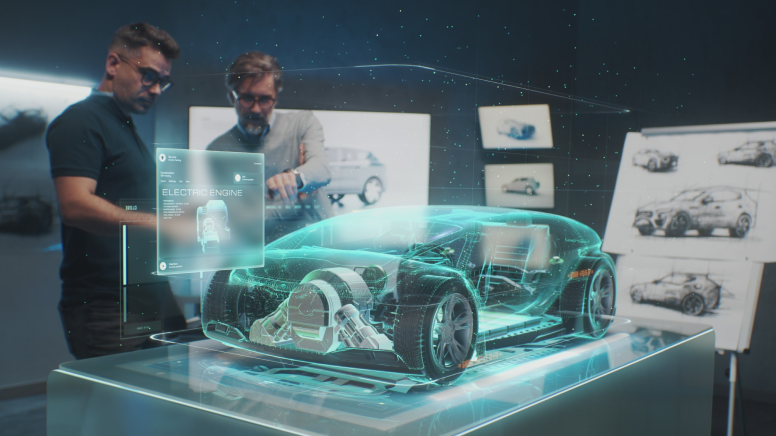
The most valuable part of a modern vehicle is no longer under the hood. That’s the story of AI in cars today. It’s the software stack, the data it generates, and the experience it delivers, and most automotive businesses are still organized around the wrong one. At Robosoft, we work with automotive OEMs and mobility innovators at the center of this shift, and the gap between those moving fast and those standing still has never been more visible.
Most OEMs know this shift is happening. The ones pulling ahead aren’t just adding AI features, they’re rebuilding the vehicle as a living product that gets smarter, more personal, and more valuable over time. That means vehicles that improve continuously through over-the-air updates rather than waiting for the next model year. Cabins that adapt to individual drivers’ preferences, moods, and journey context rather than offering the same experience to everyone. And cars that plug into a wider ecosystem of homes, phones, charging networks, and services, becoming a node in someone’s digital life rather than a standalone machine.
AI is what makes this possible. It turns sensor data, driver behavior, and context into real decisions when to intervene, what to recommend, when to personalize, and when to trigger a service. As SDV architectures mature, AI increasingly sits across three layers: in-vehicle edge intelligence, cloud analytics and learning, and experience orchestration. Together they make the car feel less like a machine and more like a responsive digital companion.
The use cases redefining what a car actually does
Safety that earns trust
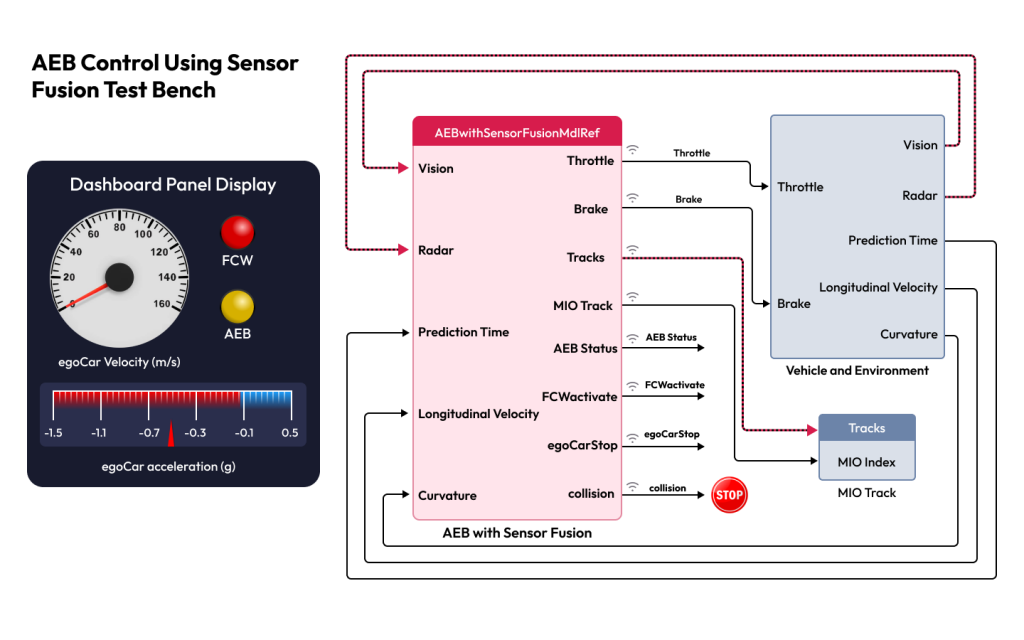
Advanced Driver Assistance Systems now use machine learning across camera, radar, LiDAR, and ultrasonic data to detect objects, predict trajectories, and proactively assist drivers. Edge AI ensures low-latency decisions even when connectivity is patchy. The result is fewer incidents and a driver who feels supported rather than overwhelmed, and that trust translates directly into brand loyalty.
Assistants that actually assist
Voice interfaces are finally growing up. Powered by LLMs and generative AI, in-car assistants can now understand intent, context, and history. They plan routes, recommend content, handle multi-step requests, and hold natural conversations. The Human-Machine Interface is becoming a genuine experience layer rather than a glorified menu system.
Cabins that know you
AI learns preferred seating, lighting, climate, driving modes, and infotainment profiles for every occupant. The car restores a familiar environment in seconds and surfaces the right content based on journey context. For families, for fleets, for premium brands, hyper-personalization at this level is a meaningful differentiator.
Reliability by design
AI models analyze sensor data continuously to predict failures, optimize service intervals, and recommend interventions before problems become breakdowns. Combined with OTA updates that fix issues remotely, the vehicle stops feeling like something that might let you down and starts feeling engineered to last.
Commerce and connected mobility
AI helps vehicles connect to home assistants, mobile apps, charging networks, parking, and retail services. It orchestrates context-aware offers and seamless workflows across the wider ecosystem, turning the time spent in a car into an opportunity for genuinely useful, personalized services rather than interruptions.
Building the infrastructure to ship at speed
There is a part of the AI in automotive story that most commentary skips entirely, how the vehicles are built, tested, and validated in the first place. This is where competitive advantage is increasingly being won or lost.
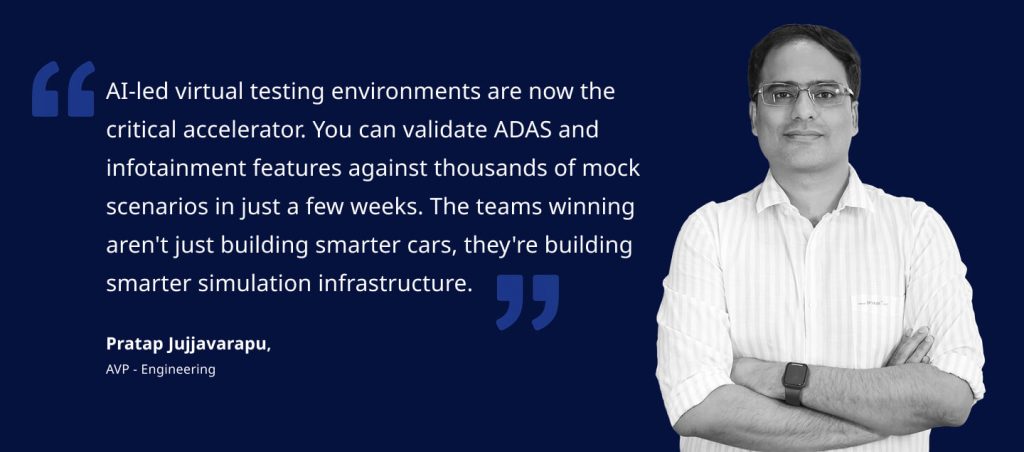
AI-led virtual testing environments are changing the economics of development. Simulation-driven ADAS validation, automated software testing, and cloud-native CI/CD pipelines mean teams can move faster and more safely than was possible even a few years ago. Generative design tools are accelerating the front end of development. Automated testing and continuous delivery pipelines are tightening the back end. The result is shorter release cycles, safer feature rollouts, and the ability to keep pace with rapidly shifting customer expectations.
This is the infrastructure investment that separates the brands building for the long term from those shipping features and hoping for the best.
What a real SDV architecture looks like
Turning vehicles into experience platforms requires more than individual AI features. It demands a coherent Software-Defined Architecture and a Software-Defined Experience layer that can evolve continuously.
The building blocks are centralized high-performance compute through domain and zonal controllers; a secure SDV backbone of middleware and APIs (including V2X communication protocols); cloud-native services and data platforms; OTA and feature management tooling; and an experience orchestration layer spanning HMI frameworks and cross-channel platforms.
Without these foundations, automotive AI becomes a collection of disconnected pilots that impress in demos and disappoint in production. With them, every software release, model year, or ecosystem partnership becomes an opportunity to enhance the platform, not just update the spec sheet.
What we’ve seen work in practice
For a global commercial vehicle manufacturer, we developed a unified SDV control layer capturing real-time telemetry and implemented a secure OTA pipeline. The outcome was fleets that become smarter with every mile, improving energy efficiency, enhancing safety, and enabling differentiated services without any hardware upgrades.
For a pioneering electric vehicle manufacturer, we designed and implemented cloud-native CI/CD pipelines for infotainment, ADAS, and telematics. Simulation-driven testing enabled faster, safer feature validation and dramatically shortened release cycles keeping drivers on the latest features without the lag that used to be taken for granted.
In both cases, the real breakthrough wasn’t a single AI feature. It was the architecture, the tooling, and the delivery infrastructure built around continuous improvement.
The shift that changes everything
The brands that will define the next decade of mobility are not the ones adding the most AI features. They’re the ones who’ve made the fundamental shift from thinking about vehicles as products to building them as platforms and who’ve invested as seriously in their simulation, data, and delivery infrastructure as in the vehicles themselves.
That shift is a multi-year journey. It requires an honest assessment of your current architecture, your data foundations, your OTA capabilities, and your ability to organize teams around continuous delivery rather than model-year cycles. But the window to move is open now, and the distance between leaders and laggards is growing quickly.
The shift is already underway. The question is where your business sits within it, and where you want to be.
To explore how Robosoft can help you navigate this shift from strategy through to production, schedule a conversation with our SDV team.